
将二手海运箱改造为大学实用空间,学生太喜欢 | 集装客
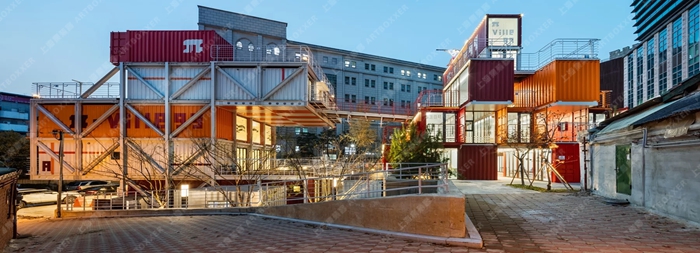
π-ville 99 converts discarded containers into experimental extension of korea university
项目信息:
建筑面积:539.47m2
建筑范围:A-4F,B-5F/高度:A-11.1米,B-14.4米
结构:钢结构、集装箱结构
外部装饰:氯化橡胶漆
室内装修:耐火石膏板
project info :
building area: 539.47m2
building scope: a — 4f, b — 5f / height: a — 11.1m, b — 14.4m
structure: steel, container structure
exterior finishing: chlorinated rubber paint
interior finishing: fire resistance gypsum board

用二手集装箱扩大学生的实用空间,建筑设计师的初中是为大学提供额外的区域,为学生开辟一种全新的氛围。大学附近的空地被改造成一个由回收的海运箱组成的创新建筑。
We repurposes containers to expand student spaces . architects are intended to provide additional areas for the univeristy, opening up a completely new type of atmosphere for students. the vacant lot nei***oring the university was transformed into an innovative building made of recycled shipping containers.

设计师有意使用废弃的集装箱来保持原始表面不变,使建筑看起来像是真正的回收利用。尽管这座建筑看起来是一个临时建筑,但它应该***留在现场。集装箱的构成创造了内***替的空间,提供了充足的阳台以及用于多种用途的封闭房间。
the designers intentionally used disposed containers to keep the original, raw surfaces untouched giving the building an authentic recycled look. although the building appears as a temporary structure, it is meant to stay on site permanently. the composition of the containers create alternating interior and exterior spaces, providing ample balconies as well as enclosed rooms for many purposes.

这座堆叠的建筑有一系列适合学生的区域。空间分为两个主要地块:包含礼堂的A区和包含演播室空间的B区。A区包括自助餐厅区、媒体室和展览开放空间。B区包括顶楼、开放式工作室、会议室和教室。两个主要堆栈通过开放式人行道连接,形成宽平台。
the stacked building hosts a series of areas suitable for students. the spaces are divided into two main massings: the a-block containing the auditorium, and the b-block with the studio spaces. the a-block includes a cafeteria area, the media room and open spaces for exhibiti***. the b-block includes a penthouse, open studios, meeting rooms and classrooms. both main stacks are connected through open walkways generating wide terraces.

建筑的鲜艳色彩反映了学生的青春活力。集装箱创造的空间鼓励大学内部的创造力和创新。 开放区域提供与传统封闭式大学建筑不同的环境。
the building’s vibrant colors reflect the student’s youthful energy. the spaces created by the containers encourage creativity and innovation within the university. the open areas provide a different environment from the conventional closed university buildings.
